

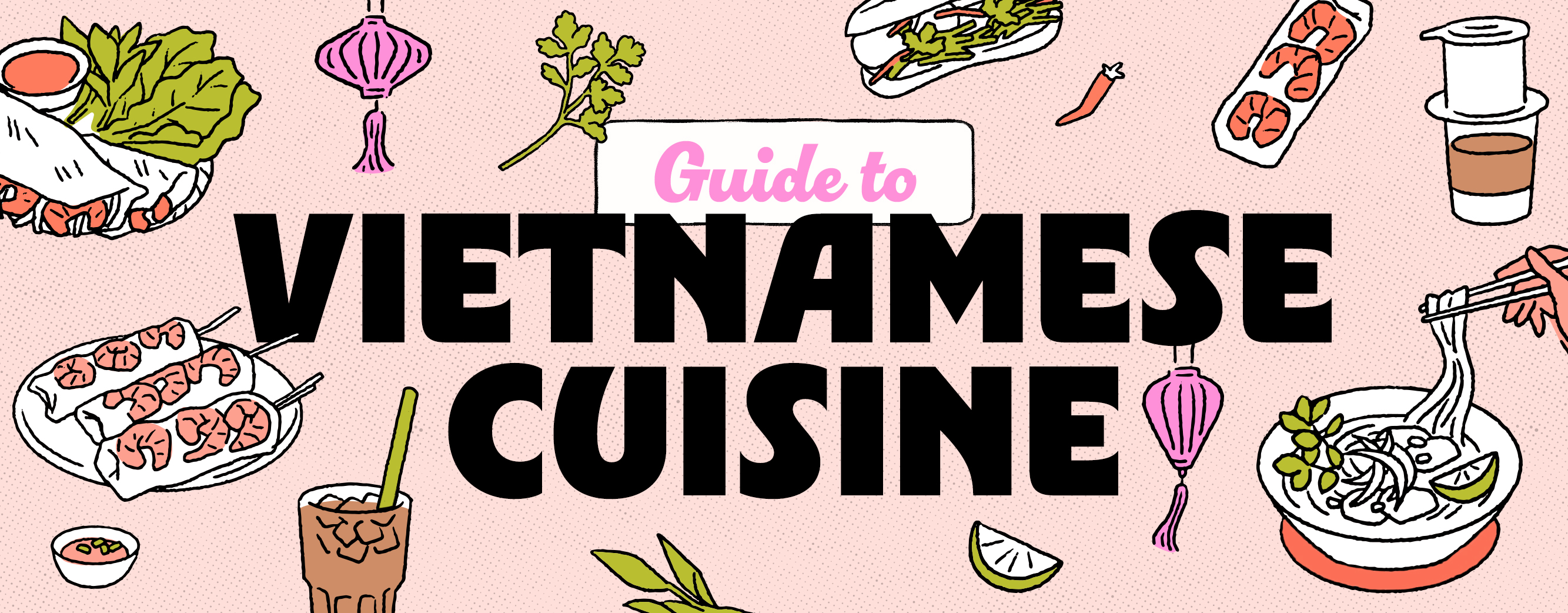
Vietnamese cuisine is a versatile and highly influential culinary tradition that has had a far-reaching impact on the culinary world and global cuisine. Featuring unique herbal flavors, authentic Asian cooking methods, and comforting, crowd-pleasing recipes, it is a vibrant dining experience enjoyed by countless people worldwide. From pho to banh mi, fish sauce to rice noodles, and everything in between, Vietnam offers a wealth of flavors, ingredients, and customs to experience. We’ll outline what Vietnamese cuisine is, different regional variations, key cooking techniques, and the most popular dishes so that you can embrace Vietnamese influences on your menu.
Skip to a specific section to learn more about Vietnamese cuisine:
What Is Vietnamese Cuisine?
At its core, Vietnamese food is built around five fundamental tastes, based on the Chinese philosophy of wuxing, or the five circulations: sweet, salty, bitter, sour, and spicy. It is characterized by the use of diverse herbs and spices, fresh ingredients, and slow-cooked foods, creating subtle, intricate flavors that blend in perfect harmony. The country's varied landscape creates distinct agricultural and cultural traits, leading to diverse flavors and dining preferences across regions. Though Vietnamese recipes can vary, they are generally light on dairy, oil, and sugars. Additionally, many of their recipes feature rice-based ingredients rather than wheat, making them a great fit for gluten-free guests.
Types of Vietnamese Cuisine
Although Vietnam is a small country, it boasts three distinct culinary regions. North, Central, and Southern Vietnam each highlight their own flavors, influences, and cooking methods, driven by diverse terrains and farming methods and deeply rooted in the country's history. To fully experience the depth of Vietnamese cuisine, one must understand each region and what it offers.
- Northern Vietnamese cuisine: Northern Vietnam features the country's oldest culinary background. The north was the first region of the country that was settled, and as such, it is the region most representative of ancient Vietnamese tradition and culture. Due to the colder climate, many types of herbs and spices prevalent in other regions are less common in Northern Vietnam. Foods in the north are characterized by subtle, balanced flavors, with black pepper, dill, and perilla leaf frequently appearing in recipes. Dishes are often presented with meticulous attention to detail, reflecting the region's cultural emphasis on aesthetics and harmony.
- Central Vietnamese cuisine: Central Vietnam's mountainous terrain and fertile lands allowed farmers to cultivate an abundance of spices, enabling the region to experiment with bolder, spicier flavors. Its extended coastline and numerous fishing communities make it a hub for seafood lovers, with fish and shrimp taking center stage. Preserved seafood ingredients, like fermented shrimp or fish paste, add pungent flavors to recipes, while dishes often feature ornate arrangements filled with vibrant colors.
- Southern Vietnamese cuisine: South Vietnam, known for its warm climate, fertile soil, and sunny weather, is known for colorful, playful, and fun dishes. Home to Ho Chi Minh City, the country's most populous urban area, it is a melting pot of diverse cultures, ingredients, and cooking styles. Food stalls and street food vendors are ubiquitous throughout the region, offering a variety of banh mi and other delectable foods to satisfy any craving. Unlike other regions of the country, South Vietnam leans into sweet ingredients, with sugar, coconut milk, and different types of tropical fruits featured more prominently, leading to many of its signature recipes feeling sweeter or heavier.
Vietnamese Culinary History
While Vietnamese foods might vary depending on region, many of their cooking techniques remain the same throughout. These techniques are more than just a reflection of the types of foods they’re preparing and have been developed and perfected over centuries. We’ll outline the most popular types of Vietnamese cooking techniques so you can properly stock up to prepare great-tasting dishes with accuracy and authenticity.
- Kho: This method is a form of braising in which a protein, typically meat, is marinated in fish or soy sauce, seasoned with herbs and spices, and then simmered. The term "kho" translates to "simmer" or "braise" in English. Developed and popularized by farmers and fishermen who only had access to tougher, less premium cuts of meat due to their budget, kho is meant to be performed in a clay pot. When done correctly, it creates a tender, flavorful final product.
- Nuong: A specialized method of grilling or barbecuing Vietnamese meat, nuong creates smoky, savory dishes. It involves marinating foods, typically in fish sauce or soy sauce, and seasoning them with regional spices before grilling them over an open flame until caramelized.
- Ham: This longer, drawn-out method of simmering is reserved for Vietnamese soups, broths, and different types of sauces. Recipes are cooked in large pots with bones, aromatics, and spices for several hours at a time. They are never allowed to reach a rolling boil, preserving a clear appearance.
- Xao: Xao is a high-heat stir-fry technique performed in a wok over extremely high heat, allowing for quick cooking and the development of delicious flavors. Because foods are cooked rapidly, they are cooked to a crisp, tender exterior without sacrificing the texture and juiciness inside.
Vietnamese Cooking Equipment
Vietnamese chefs use versatile and practical tools. While this equipment may appear simple at first glance, in the hands of an experienced chef, it crafts complex, flavorful recipes with depth and precision. To properly prepare Vietnamese cuisine, a mix of specialized equipment, modern kitchen appliances, and traditional tools is essential.
- Wok: Typically made from light weight aluminum or carbon steel, woks are commonplace in many types of Asian kitchens. They feature shallow, sloped sides and are designed for high-heat cooking. Versatile and easy to handle, these pans are essential for stir-frying.
- Mortar and pestle: These small, handheld tools allow chefs to crush and grind fresh herbs and spices. They can be made from wood, stone, or clay, extracting natural oils and flavors from ingredients to add an extra layer of detail to your recipes.
- Grill pan: These small, light weight pans feature ridges along the bottom, leaving char marks on food similar to a grill. In Vietnamese kitchens, they are used to prepare proteins, like beef, seafood, or eggs, over the stovetop, creating smoky flavors without having to cook outside.
- Bamboo steamer: Rice is a fundamental part of Vietnamese cuisine, and bamboo steamers allow Vietnamese kitchens to achieve the perfect rice consistency and texture. Unlike standard steamers, which are often made of metal, these steamers are made from woven bamboo, featuring a basket design that is perfect for cooking rice, along with vegetables, mushrooms, and select types of meat.
- Clay pot: When using the kho method of cooking, many Vietnamese recipes call for small clay pots. Not only do they allow you to cook foods low and slow, but they also preserve an authentic texture and follow traditional recipes as directed.
- Cooking chopsticks: Cooking chopsticks are elongated chopsticks designed to keep your hands free from hot cooking surfaces, steam, or oil. These Asian cooking utensils are primarily used to stir and flip foods, and are a common tool associated with Vietnamese stir-frying.
- Woven baskets: When it comes to straining or drying foods after they’ve cooked, woven baskets are commonplace in Vietnamese kitchens. Available in different shapes and sizes and typically made from woven bamboo, natural fibers make these baskets light weight and breathable. They can even be used as serving baskets depending on the recipe.
Popular Vietnamese Dishes
Across Vietnam, beloved recipes are enjoyed in homes, restaurants, and bustling street markets, each offering a unique glimpse into the nation’s food culture. Many of these dishes have become well known both within Vietnam and around the world for their distinctive flavors and cultural significance. Below we’ll outline some of the most popular Vietnamese foods that showcase the diversity and appeal of the country’s cuisine.
- Pho: Considered the national dish of Vietnam, pho is a soup that features broth, rice noodles, and beef or chicken, along with fresh herbs. Served by restaurants and street food vendors alike, it is one of the culture’s most popular foods despite only being created in the early 20th century.
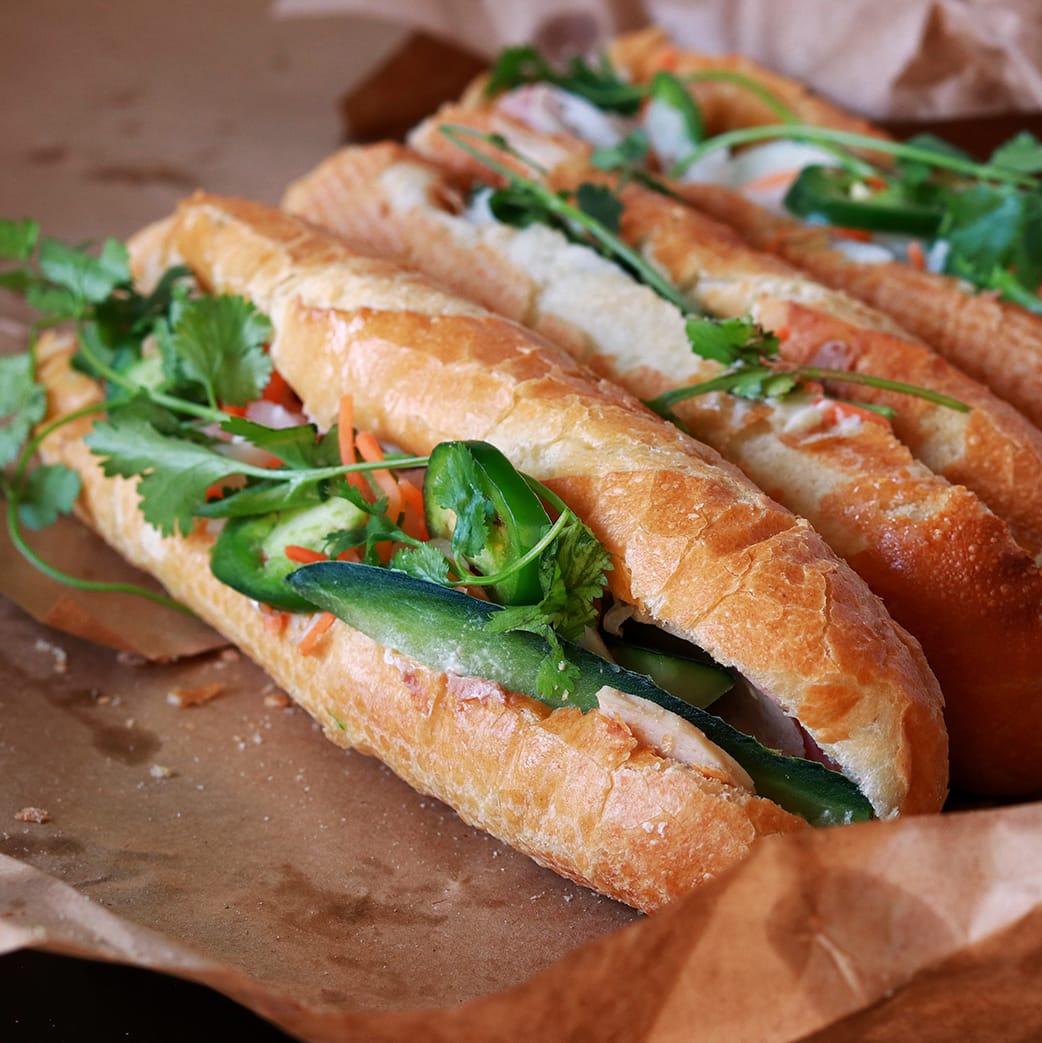
- Banh mi: This popular Vietnamese sandwich consists of meat, typically roasted pork belly or grilled chicken, vegetables, and a spread, usually mayonnaise or pork liver pate, served on a toasted baguette. It features a blend of Vietnamese and French influences and boasts a myriad of regional varieties.
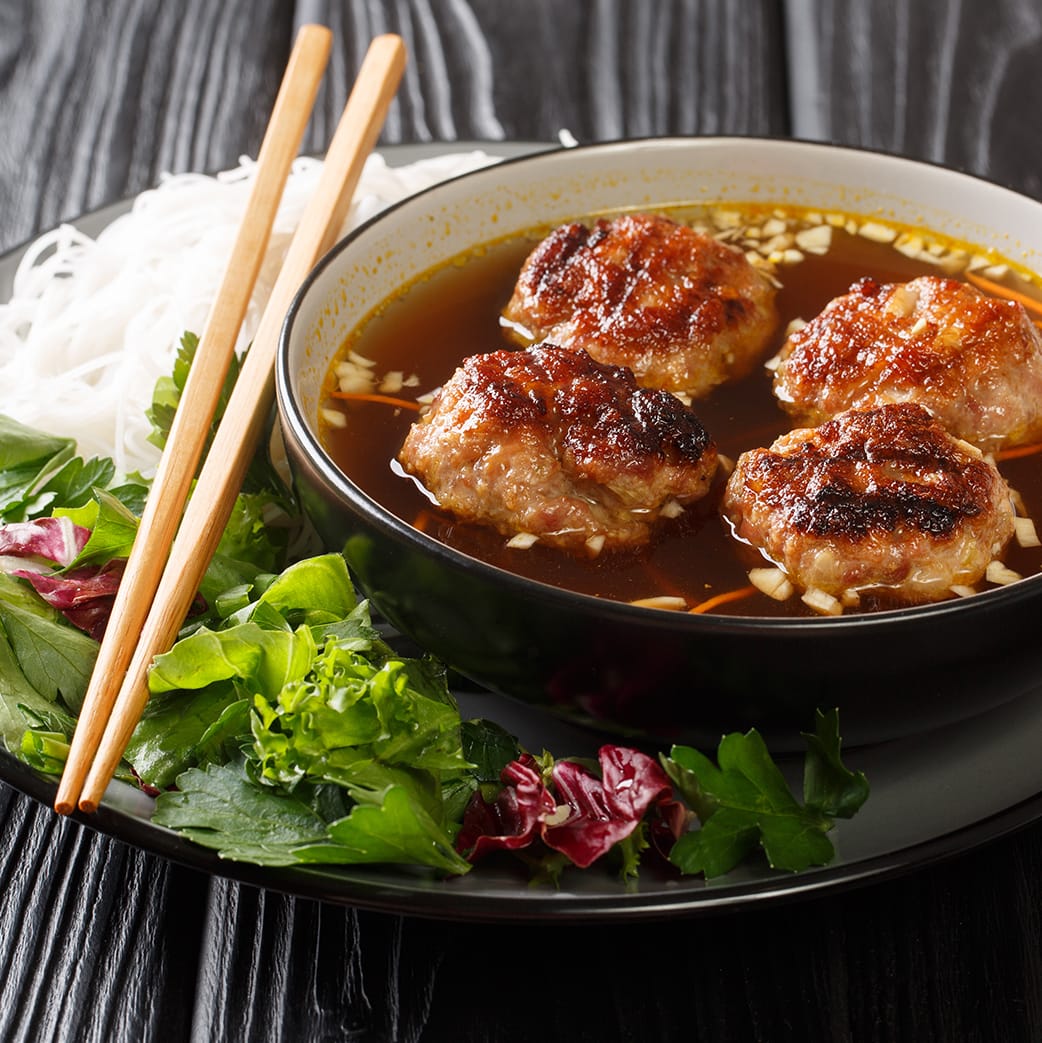
- Bun cha: Originating in Hanoi, bun cha is a popular Vietnamese pork dish. Marinated pork patties are grilled over an open flame and served in a broth or dipping sauce, alongside rice noodles and greens. The noodles and greens are served on the side and dipped into the broth using chopsticks.
- Goi cuon: Commonly referred to as spring rolls, goi cuon consists of protein, such as pork belly, shrimp, or prawns, rice, greens, and select herbs wrapped in rice paper. This popular, light dish is often served as an appetizer or snack and can be served on its own or with a dipping sauce.
- Banh chuoi: This Vietnamese dessert translates to “banana cake” and comes in two main varieties: banh chuoi nuong and banh chuoi hap. Banh chuoi nuong is a type of moist bread pudding, featuring ripe bananas and baked until it is golden brown. Banh chuoi hap is steamed rather than baked, with a chewier texture.
Vietnamese cuisine inspires chefs and diners across the globe with its thoughtful balance of flavor, technique, and tradition. Its adaptability and broad appeal make its foods a popular addition to menus across a wide range of foodservice concepts. By exploring Vietnamese cuisine's ingredients, preparations, and culinary influences, operators can add variety to their menu and satisfy guest cravings.

Over his 5+ years with WebstaurantStore, Jason has spent countless hours learning, researching, and writing about the foodservice industry. With expertise in technical topics, he takes pride in helping customers and readers understand everything from troubleshooting their equipment to the fundamentals of starting a business.
Learn more about this author and WebstaurantStore's Content Writing Team here!